Ta Prohm Temple, Cambodia: The Enchanted Ruins of Angkor
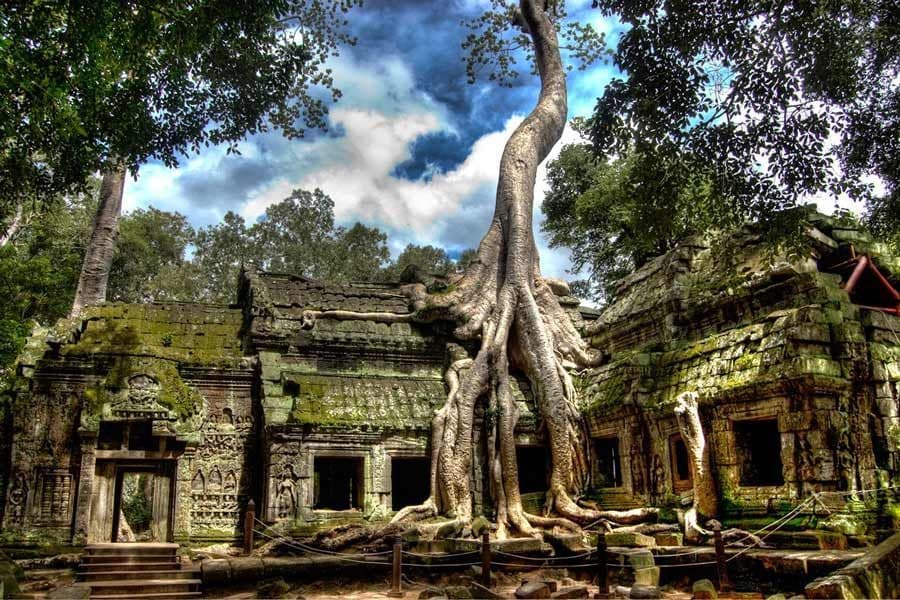
Ta Prohm is one of Angkor’s most iconic temples, famous for its jungle-covered ruins and massive tree roots entwined with ancient stone walls. Located near Siem Reap, it offers a hauntingly beautiful glimpse into Cambodia’s past.
Exploring Ta Prohm Temple, Cambodia: The Enchanted Ruins of Angkor
Ta Prohm Temple, one of the most iconic temples in the Angkor Archaeological Park, is best known for its atmospheric ruins intertwined with massive tree roots. Unlike many other temples in Angkor, Ta Prohm has been left largely in its original, overgrown state, making it one of the most photogenic and mysterious sites in Cambodia.
Getting to Ta Prohm
Ta Prohm is located about 12 kilometers from Siem Reap and can be easily accessed by tuk-tuk, bicycle, or private car. It is part of the Angkor Pass ticket, which also grants entry to other famous temples like Angkor Wat and Bayon.
The History of Ta Prohm
Built in the late 12th century by King Jayavarman VII, Ta Prohm was originally known as Rajavihara (the “Monastery of the King”) and functioned as a Buddhist monastery and university. It was dedicated to the king’s mother and housed thousands of monks and priests. After the decline of the Khmer Empire, the temple was abandoned and gradually overtaken by nature, with massive silk-cotton and strangler fig trees weaving through the ruins.
What Makes Ta Prohm Unique?
- Jungle-Engulfed Ruins – Unlike other Angkor temples that have been restored, Ta Prohm remains in its “natural state,” with giant tree roots gripping the walls and towers.
- Famous Filming Location – The temple gained international fame after appearing in the movie Lara Croft: Tomb Raider, adding to its mystical allure.
- Mysterious Atmosphere – The combination of fallen stones, moss-covered walls, and towering trees creates an eerie yet enchanting atmosphere.
- Intricate Carvings – Despite the overgrowth, Ta Prohm features stunning bas-reliefs depicting Buddhist and Hindu mythology, as well as inscriptions of daily life during the Khmer Empire.
Things to Do at Ta Prohm
- Explore the Overgrown Ruins – Walk through narrow corridors and hidden courtyards to witness the power of nature reclaiming ancient structures.
- Admire the “Tomb Raider Tree” – One of the most famous trees at Ta Prohm, its massive roots dramatically embrace the temple walls.
- Photograph the Enchanted Temple – Capture the contrast of stone and nature, especially in the early morning when the light is soft.
- Discover Hidden Carvings – Look for intricate carvings of Apsaras (celestial dancers), Buddhist figures, and even a debated carving resembling a stegosaurus.
- Learn About the Temple’s Restoration Efforts – Ongoing conservation projects aim to preserve the balance between nature and architecture without losing Ta Prohm’s unique charm.
Best Time to Visit Ta Prohm
The best time to visit Ta Prohm is in the early morning or late afternoon to avoid the crowds and capture the best lighting for photography. The dry season (November to March) offers cooler temperatures, while the rainy season (May to October) brings lush greenery that enhances the temple’s mystique.
Where to Stay Near Ta Prohm
Siem Reap offers a range of accommodations for visitors exploring Ta Prohm and the Angkor temples:
- Luxury Hotels – Raffles Grand Hotel d’Angkor and Amansara provide top-tier hospitality.
- Mid-Range Hotels – Shinta Mani Angkor and Lynnaya Urban River Resort offer comfort and convenience.
- Budget Options – Mad Monkey Hostel and Onederz Siem Reap cater to backpackers and budget travelers.
Final Thoughts
Ta Prohm stands as a breathtaking fusion of history and nature, offering visitors a glimpse into Cambodia’s ancient past while showcasing the incredible resilience of the jungle. Whether you’re an adventurer, history buff, or photography enthusiast, Ta Prohm promises an unforgettable experience in the heart of Angkor.
Related Posts
DestinationsAngkor Wat, Siem Reap
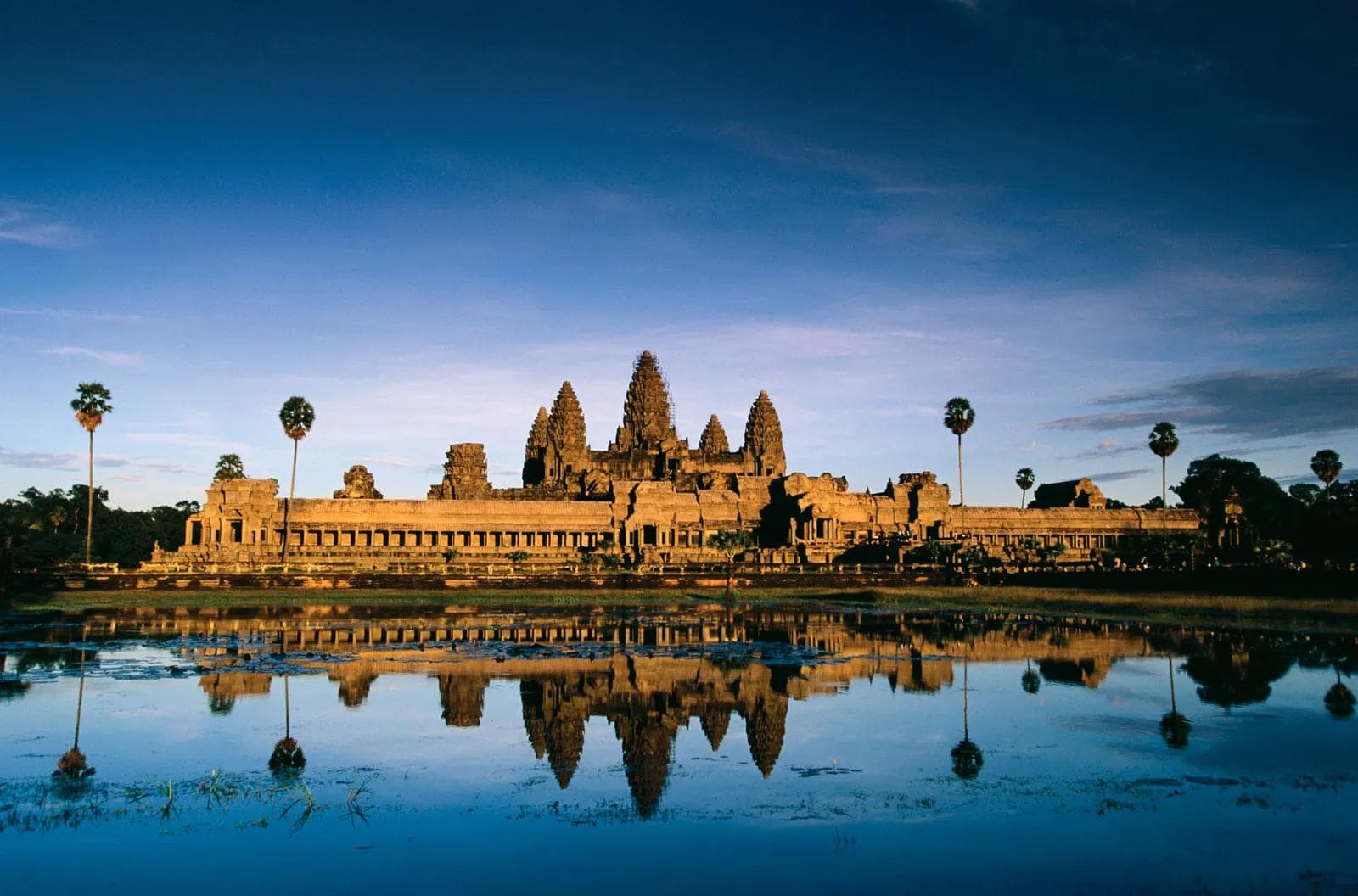
Angkor Wat, Cambodia: A Timeless Wonders
Angkor Wat is the world’s largest religious monument and Cambodia’s most iconic landmark. Located near Siem Reap, this UNESCO World Heritage site offers breathtaking temples, rich Khmer history, and unforgettable sunrise views.
C
Chessman
DestinationsKep
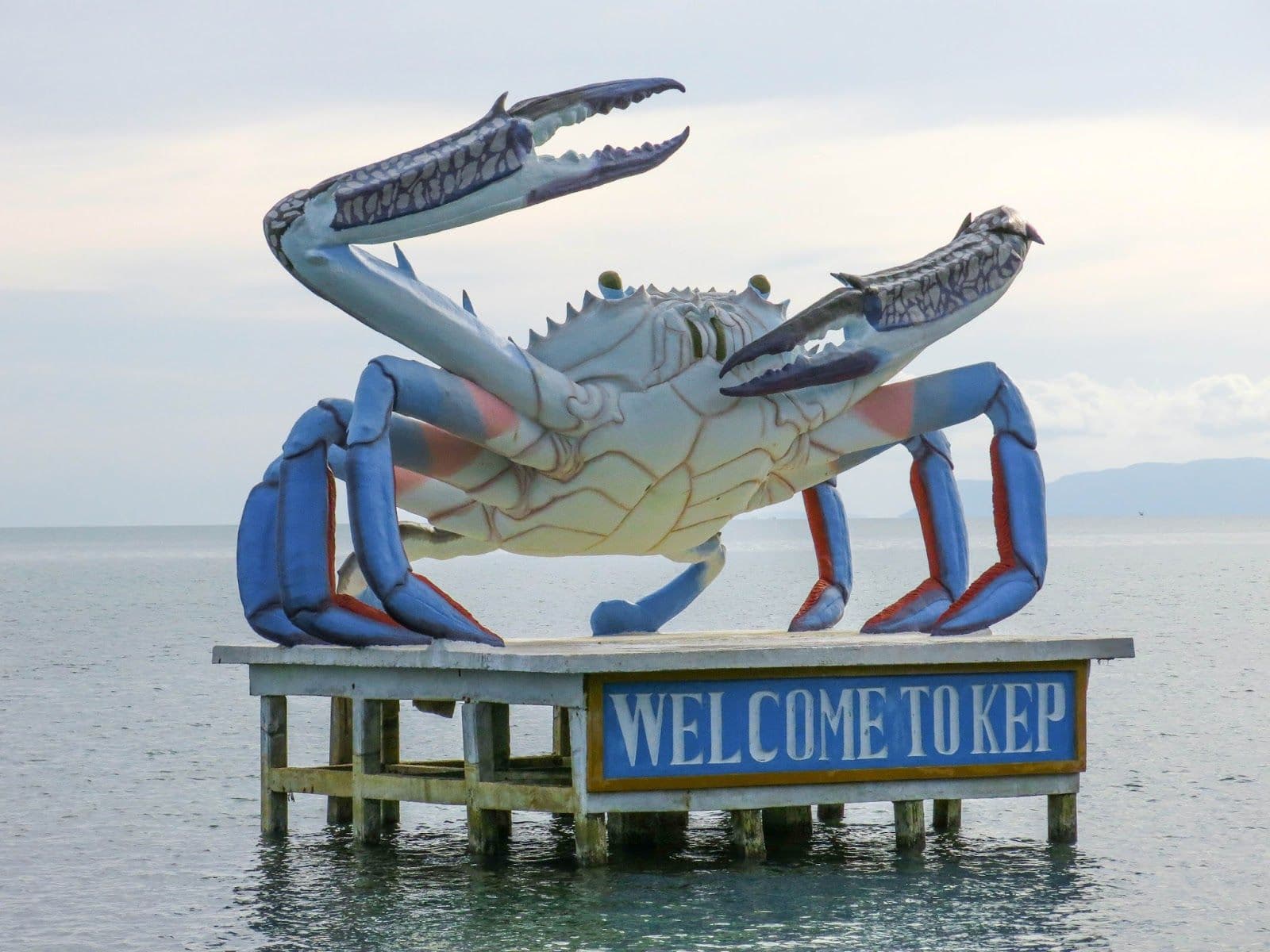
Kep - The Gem of Cambodia
Kep is a peaceful seaside town in southern Cambodia, known for its famous crab market, fresh seafood, and relaxed coastal charm. From quiet beaches and national park trails to island escapes like Koh Tonsay, Kep is perfect for a slow and scenic getaway.
C
Chessman
DestinationsSihanoukville
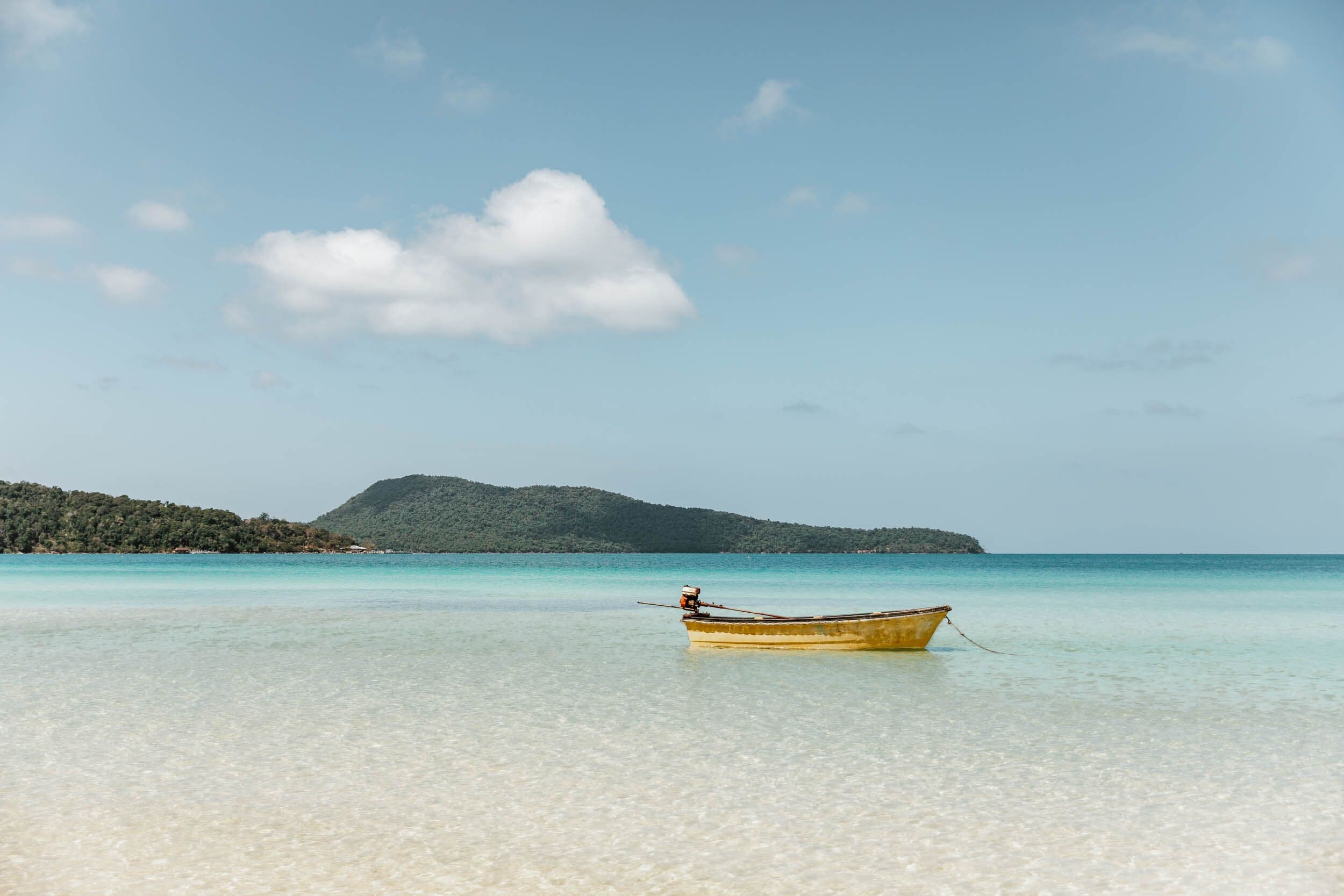
Koh Rong - Cambodia’s Wild Island Paradise
Koh Rong is Cambodia’s wild island paradise, famous for its white-sand beaches, lush jungle, hidden waterfalls, and vibrant island life. From snorkeling and bioluminescent plankton to laid-back beach vibes, this guide covers everything you need to know before visiting.
C
Chessman